

Why Rehab Is About More Than Stopping Alcohol or Drugs
Stopping alcohol or drugs is an important first step, but lasting recovery requires much more. Effective rehab helps people understand the underlying causes of addiction, develop healthier ways to manage emotions and stress, rebuild relationships, and create a meaningful life in recovery.

Why Emotional Regulation Is Central to Addiction Recovery
For many people, alcohol or drugs become a way of coping with difficult emotions. Learn why emotional regulation is central to addiction recovery and how developing healthier responses to stress, anxiety, anger and other triggers can support lasting change.
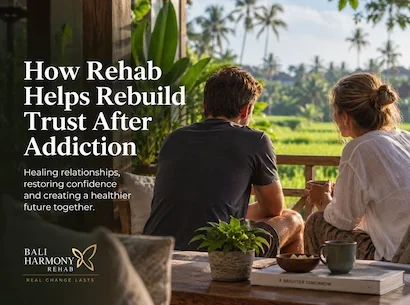
How Rehab Helps Rebuild Trust After Addiction
Addiction can damage trust in relationships, often leaving families and partners unsure how to move forward. Rehab provides a structured environment to rebuild trust through honesty, accountability, healthier communication, and consistent change over time.

What Happens If Someone Wants to Leave Rehab Early?
Wanting to leave rehab early does not necessarily mean treatment is failing. Learn why people sometimes want to leave, how good rehab programs respond, the risks of leaving too soon and how families can provide constructive support.
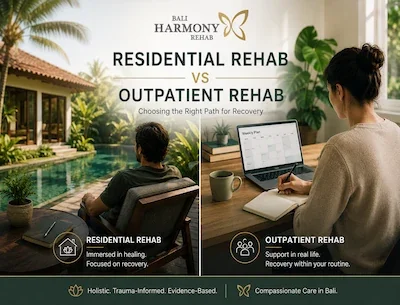
When Is Residential Rehab Better Than Outpatient Support?
Residential and outpatient rehab can both support addiction recovery, but they suit different circumstances. Learn when residential rehab may provide the safer and more effective level of structure, supervision and support.

How to Know If a Rehab Program Is Too Wellness-Focused
Wellness activities can support recovery, but they should not replace effective addiction treatment. Learn how to identify whether a rehab program has the right balance of therapy, clinical support, and holistic care.

What Families Should Ask Before Sending Someone Overseas for Rehab
Sending a loved one overseas for rehab is a major decision. Learn the key questions families should ask about safety, treatment quality, costs, support, and aftercare before choosing an international rehab centre.

Private Rehab in Bali What It Means and Who It Suits
Private rehab in Bali offers a more personalised and discreet approach to addiction treatment. Learn who it suits, the benefits of private care, and what to consider when choosing a rehab program.

What Makes Rehab Safe for International Clients
Travelling overseas for addiction treatment can feel daunting. Learn the factors that contribute to a safe rehab experience for international clients, including licensing, clinical care, admissions processes, accommodation, and ongoing support.

How to Compare Rehab Centres in Bali: Questions to Ask Before You Choose
Not all rehab centres are the same. Learn the most important questions to ask when comparing rehab options in Bali, including treatment approach, licensing, staffing, safety, program structure, and long-term recovery support.

What Happens in the First 72 Hours of Rehab
The first few days of rehab can feel intimidating, especially if you do not know what to expect. Learn what typically happens during the first 72 hours of treatment, from admission and assessment through to settling into a recovery program.

Why Some Rehabs Feel Good but Do Not Produce Results
A rehab can be comfortable, luxurious, and enjoyable, yet still fail to create meaningful long-term change. Learn the difference between a positive rehab experience and a treatment program that delivers lasting recovery outcomes.

How to Tell If a Loved One Is Ready for Rehab
Many families struggle to know when the right time for rehab has arrived. Learn the common signs that a loved one may be ready for treatment, how readiness often develops, and how to support the decision without creating additional resistance.
How Trauma Rewires the Brain and Fuels Addiction
Many people believe addiction starts with alcohol or drugs. In reality, trauma often plays a significant role. Learn how trauma affects the brain, why it can fuel addiction, and how trauma-informed treatment supports long-term recovery.

Can You Work While in Rehab? Options for Professionals and Executives
Many professionals worry that entering rehab means putting their career on hold. Learn how some treatment programs can accommodate limited work commitments while keeping recovery the top priority.

Post Acute Withdrawal Syndrome: The Symptoms After Detox
Post Acute Withdrawal Syndrome, or PAWS, can cause anxiety, fatigue, mood swings and sleep problems long after detox ends. Understanding these symptoms is important because they are a common part of recovery, not a sign of failure.

Why Some People Need More Than One Rehab Attempt
Many people believe rehab should work the first time, but recovery is rarely that simple. For some, lasting change takes more than one rehab attempt. This article explores why relapse can happen, what repeat treatment really means, and how the right support, structure, and self-awareness can strengthen long-term recovery outcomes.

What Makes a Good Rehab Program? 7 Signs of Quality Treatment
Not all rehab programs deliver the same results. This guide breaks down the seven key signs of quality addiction treatment, helping you understand what to look for and how to choose the right rehab with confidence.